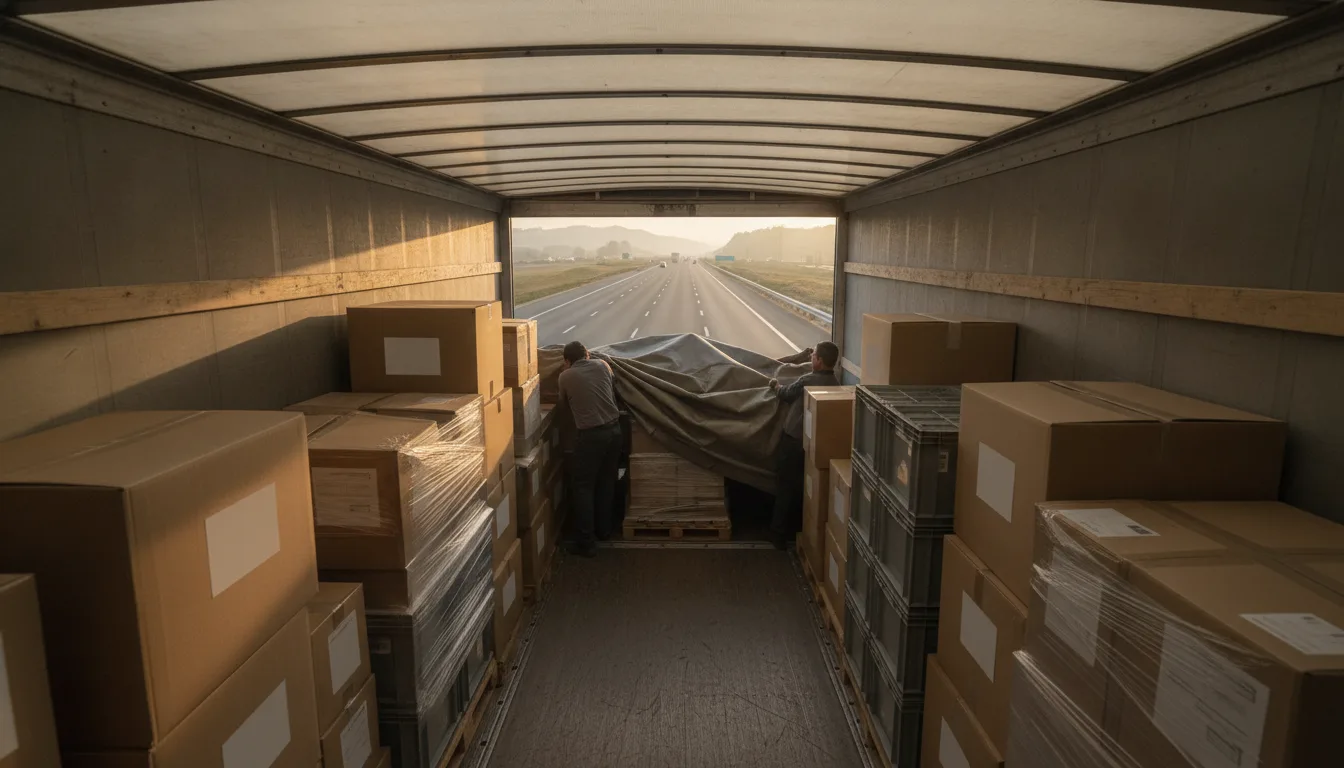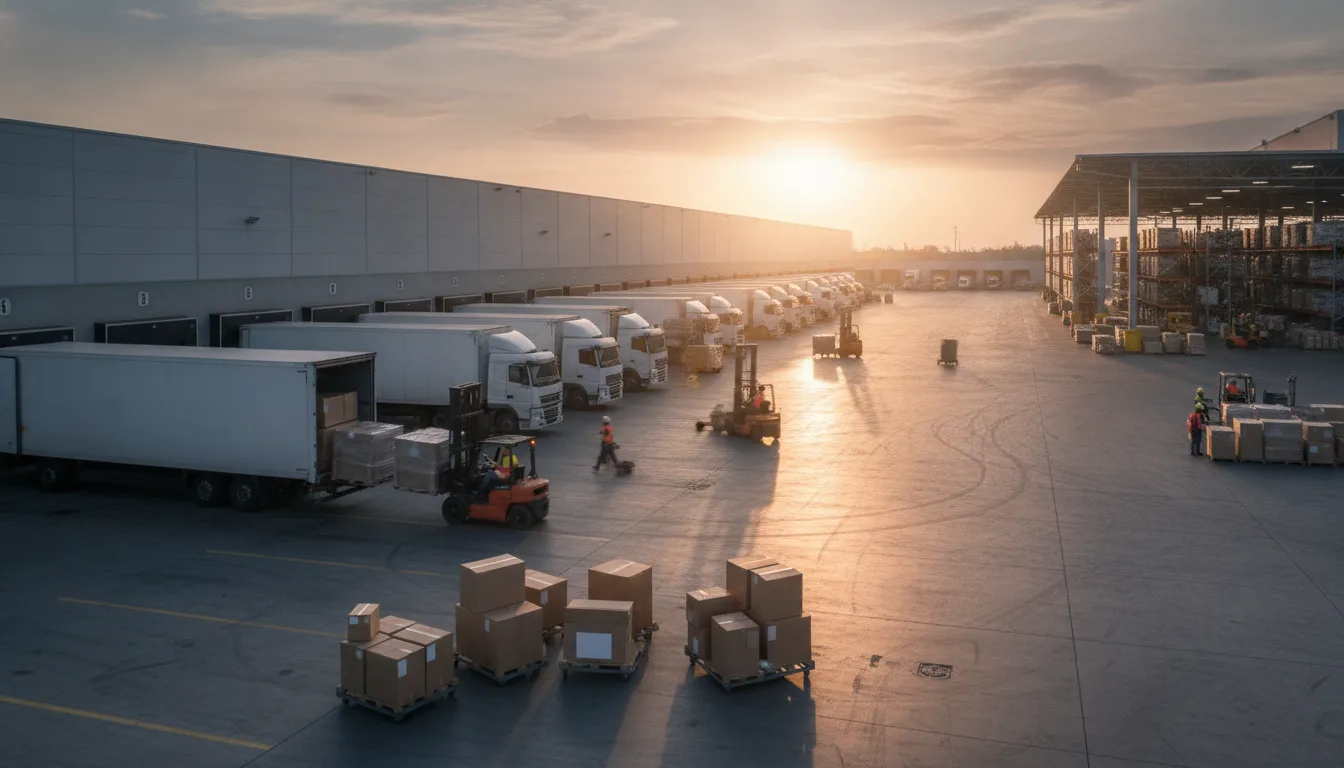


Shipping from Australia to the USA has become significantly more expensive since CBP suspended de minimis access for all import modes indefinitely, effective June 2026. Australian brands that previously relied on low-cost per-parcel cross-border shipping now face formal customs entry and associated duties on every shipment into the US. The practical answer is to stock inventory inside the United States and route returns to a US address, and YouParcel provides both through fulfillment centers in New Jersey and California.
- CBP's June 2026 interim final rules mean every parcel entering the US from Australia is subject to formal customs entry; there is no duty-free threshold to rely on.
- A US-based returns address eliminates the cost and delay of shipping returns back to Australia, and allows in-market grading and restocking or disposal.
- Partnering with a US fulfillment center (3PL USA) lets Australian brands deliver like a domestic seller and handle exchanges in days, not weeks.
- Working with a licensed US customs broker is the correct first step before shipping any inventory in bulk to a US warehouse.
What changed in June 2026 and why it matters for Australian sellers
On June 24, 2026, CBP published an interim final rule in the Federal Register indefinitely suspending the de minimis exemption for merchandise arriving through all modes of transportation, not just postal channels. The rule, titled "Indefinite Suspension of the De Minimis Exemption for Merchandise Arriving Through All Modes Other Than International Mail" (FR Doc. 2026-12670), removes the mechanism that previously allowed shipments valued at or below $800 to enter the US without paying formal customs duties or filing a formal entry. The full rule text is available at the Federal Register.
For Australian DTC and ecommerce brands that ship individual orders directly from Australia to US customers, this means each parcel now requires a formal CBP entry, which carries classification under the Harmonized Tariff Schedule (HTS), valuation, and applicable duty rates. The Section 321 workaround that many brands depended on is no longer available.
The cost consequence is direct. Formal entry fees, customs broker fees, and applicable duties add a per-shipment cost that quickly erodes margins on low- to mid-priced consumer goods. For a brand shipping hundreds of orders a month, the cumulative impact is substantial. This makes the argument for holding inventory in a US fulfillment center not just operationally attractive but financially necessary.
A note on customs compliance: This article presents regulatory information only. Australian brands should consult a licensed US customs broker before shipping inventory in bulk to the United States or making any decisions about import strategy. The CBP and the US Customs and Border Protection importer guidance are the authoritative sources for entry requirements.
Why a US returns address is no longer optional
Before June 2026, some Australian brands managed US returns by asking customers to ship items back to an Australian address. That approach was already slow and expensive for customers. Now it creates a second customs problem: goods re-entering Australia may trigger Australian import duties, GST obligations, or biosecurity checks depending on product category, and the US customer faces a long wait for a refund or exchange.
A US-based returns address solves all of this. The returned item stays inside the US customs territory, so no re-importation event occurs. The brand can assess, restock or dispose of inventory within days. The customer receives a replacement or refund on a timeline that matches US domestic expectations, typically within a week of the return being received.
For competitive context: US shoppers have been conditioned by major domestic retailers to expect returns processed within 3 to 7 business days and refunds issued promptly. An Australian brand that cannot meet that expectation will see higher return dispute rates and lower repeat purchase rates, regardless of product quality.
In-market grading: what it is and how it works at a US fulfillment center
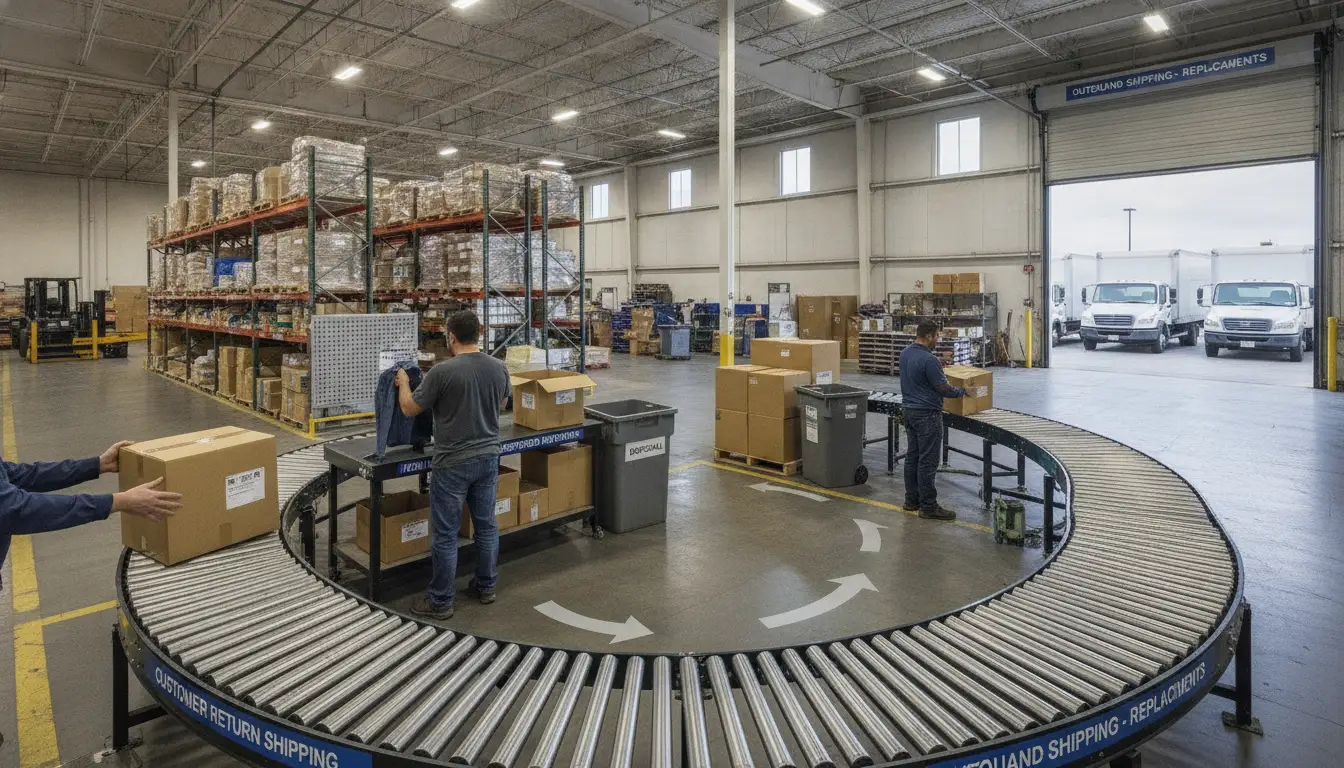
Return grading (also called returns inspection or returns processing) is the step at which a 3PL's warehouse team assesses each returned item against a brand-defined condition matrix before deciding its next destination. Done in-market, inside the US, it replaces the guesswork of accepting a return sight-unseen and issuing a blanket refund.
A typical grading workflow at YouParcel's US fulfillment centers looks like this:
- Return receipt and RMA matching. The returned parcel arrives at the warehouse. Staff match the shipment against the brand's RMA (Return Merchandise Authorization) record. An RMA is a pre-approved return reference number that tells the warehouse what to expect, which SKU, which customer, and what condition was claimed.
- Physical inspection. Each item is opened and assessed against the brand's grading rubric, usually a tiered scale such as Grade A (sellable as new), Grade B (sellable as open box or refurbished), Grade C (requires repair or is unsellable), and Dispose (damaged beyond use).
- Photography and documentation. For high-value items or disputed returns, the team photographs the item and logs the condition in the warehouse management system (WMS). This record is accessible to the brand in real time through YouParcel's BI and analytics dashboard.
- Disposition routing. Grade A inventory is restocked to available inventory immediately. Grade B inventory moves to a quarantine bin for the brand to review and decide on pricing or relabeling. Grade C and Dispose items are flagged for the brand to authorize destruction, donation or return to a repair vendor.
- Refund or exchange trigger. Once grading is confirmed, the system can trigger a refund notification or initiate a replacement shipment from available stock, depending on the brand's customer service policy.
This process is handled by YouParcel's reverse logistics team as an extension of the fulfillment operation, meaning the same warehouse handling outbound orders also processes inbound returns. There is no separate facility to coordinate with.
Exchanges: the revenue-recovery step most Australian brands skip
A return does not have to mean lost revenue. For apparel, footwear, homewares, and many other consumer categories, a significant share of returns are size or preference exchanges, not defect claims. A US-based 3PL can ship the replacement from on-hand inventory on the same day the return is graded, provided the exchange SKU is in stock.
The alternative, issuing a refund and hoping the customer reorders, recovers far less revenue. Industry-standard operations teams track exchange rate as a key metric alongside return rate and grade distribution. YouParcel's real-time tracking and alerts let Australian brands monitor each of these metrics without waiting for a monthly warehouse report.
For brands on Shopify, the exchange workflow can be connected directly to the store's order management system through YouParcel's Shopify integration, so the replacement order is created automatically when the warehouse confirms the grade and the customer selects a new variant.
How the cost math changes with US-held inventory
The direct comparison below illustrates the structural cost difference between shipping each order individually from Australia versus holding inventory at a US fulfillment center and shipping domestically.
| Cost factor | Ship each order from Australia (post-June 2026) | US inventory at a 3PL (inbound freight + domestic fulfillment) |
|---|---|---|
| Customs entry per unit | Formal entry required; duties plus broker fee per shipment | One formal entry at bulk inbound; duties paid on landed cost of inventory |
| Transit time to US customer | Typically 5 to 14 business days international, varies by carrier and service level | 1 to 5 business days domestic, depending on customer location and warehouse placement |
| Returns cost | Customer must ship internationally or eat the cost; brand absorbs or loses the item | Customer ships to US address; brand pays domestic return carrier cost |
| Customs risk on returns | Re-importation to Australia may trigger Australian duties and GST | No re-importation; item stays in US customs territory |
| Customer experience | Slow delivery, complicated returns; higher dispute and chargeback exposure | Domestic speed and returns process; comparable to US-native brands |
The inbound bulk freight cost (ocean FCL or LCL from Australia to the US) is a real line item, and it requires a licensed customs broker and an importer of record. YouParcel does not act as importer of record (IOR). The IOR must be the brand itself or a third-party IOR service provider. Your customs broker can advise on the appropriate IOR arrangement for your situation.
Choosing between New Jersey and California for your US inventory
YouParcel operates fulfillment centers on both coasts, with public addresses at 20 Farinella Dr, East Hanover, NJ 07936 (serving the New York and New Jersey area) and 3700 S. Riverside Ave, Rialto, CA 92324 (serving Southern California). The choice of warehouse location, or a split across both, affects inbound ocean freight routing, outbound carrier costs, and delivery speed across the continental US.
Australian goods arriving by sea most commonly enter through the Ports of Los Angeles or Long Beach, making Rialto, CA a natural first-mile destination if you are shipping from the east coast of Australia. For brands with a customer base concentrated on the US East Coast, or for those who want to split inventory to reduce average transit time nationally, the East Hanover, NJ facility provides access to the highest-density US population corridor.
A split-inventory strategy across both locations is a common configuration for brands processing 1,000 or more US orders per month. YouParcel's multi-warehouse inventory management and BI analytics tools give brands visibility across both nodes without needing separate WMS logins.
What Australian brands need before going live with US fulfillment
The checklist below covers the practical steps between deciding to hold US inventory and going live with fulfillment and returns.
- Engage a licensed US customs broker. The broker will classify your products under the HTS, determine applicable duty rates, and advise on the correct entry type for your bulk inbound shipment. This step should happen before you book freight.
- Confirm your importer of record arrangement. As noted, YouParcel does not act as IOR. Your broker or a specialist IOR provider will need to be in place before CBP will release your shipment.
- Book inbound freight from Australia. LCL (Less than Container Load) ocean freight is typically cost-effective for initial inventory runs. FCL (Full Container Load) becomes competitive above roughly 15 to 20 cubic metres. Air freight is available for urgent initial stock but carries a significant cost premium for bulk goods.
- Configure your ecommerce integrations. YouParcel integrates with Shopify, Amazon and 70+ other platforms. Your returns portal, order management system and the YouParcel WMS need to be connected before your first order ships domestically.
- Define your grading rubric and disposition rules. Tell YouParcel's team exactly what Grade A, B, C and Dispose mean for each product category you sell. This document drives every returns decision at the warehouse without requiring brand-side intervention on each item.
- Set your exchange policy and automation triggers. Decide which return reasons qualify for an automatic exchange shipment, which require brand approval, and which result in a refund only. This logic is configured in the WMS before go-live.
- Test with a sample inbound shipment. Before sending a full container, send a small inbound shipment to verify receiving, SKU mapping, available inventory sync and the returns workflow end-to-end.
How YouParcel fits into the wider Australian-to-US supply chain
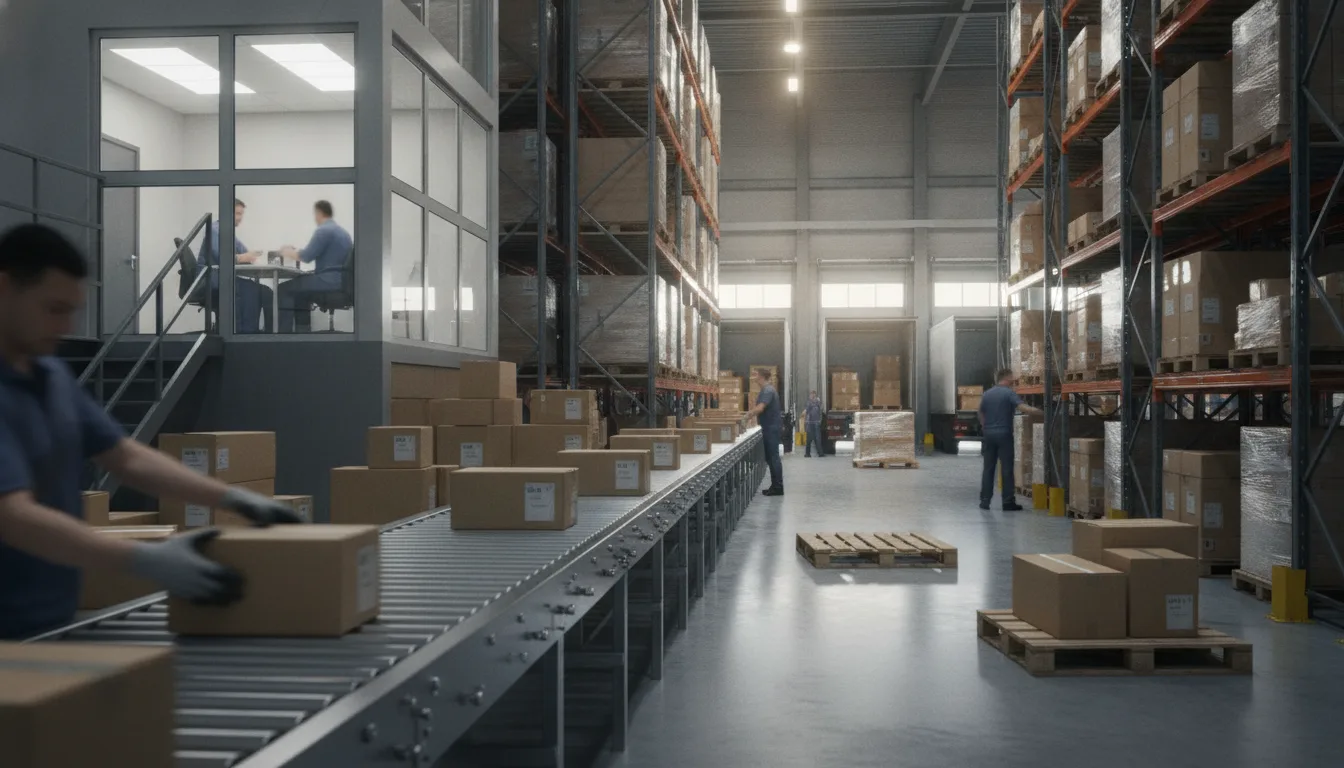
YouParcel positions itself as a single partner from freight-in to doorstep and returns. For Australian brands, that means the same relationship that handles your US warehousing and ecommerce fulfillment also handles your domestic returns processing, your carrier selection (USPS, FedEx, DHL, Aramex and EasyPost are among the carriers YouParcel works with), and your real-time inventory and order analytics.
YouParcel's leadership team has more than 50 years of combined logistics experience, and the operation processes more than 10,000 orders per day across multiple marketplaces. For Australian brands entering or scaling in the US market, the ability to plug into an existing, proven infrastructure rather than build from scratch is a meaningful operational advantage.
For a deeper look at how US-based fulfillment works as a whole, see the YouParcel reverse logistics service page and the broader guide to US ecommerce fulfillment for international brands.
Frequently asked questions
Do Australian brands still need to pay US customs duties after June 2026?
Yes. CBP's June 2026 interim final rule suspended the de minimis exemption indefinitely for all import modes, which means every commercial shipment from Australia to the US requires a formal customs entry and is subject to applicable duties. There is no low-value threshold that makes a shipment duty-free. Consult a licensed US customs broker for advice specific to your product category and HTS classification.
Can YouParcel act as my importer of record when I ship bulk inventory from Australia to the US?
No. YouParcel does not act as importer of record (IOR). You will need to appoint yourself, your customs broker, or a specialist IOR provider as the IOR before CBP will release your inbound shipment. Your customs broker is the right starting point for setting up this arrangement.
How long does in-market returns grading typically take at a US fulfillment center?
Grading timelines depend on daily return volume and the complexity of your grading rubric, but a well-configured 3PL operation typically inspects and grades a returned item within 1 to 2 business days of receipt. Grade A items can be restocked to available inventory the same day grading is confirmed.
Which US warehouse location should an Australian brand use, New Jersey or California?
California is the natural first choice for brands whose inbound ocean freight arrives through the Ports of Los Angeles or Long Beach, as it minimizes drayage distance. New Jersey is better positioned for brands with a US customer base concentrated on the East Coast. Many brands processing significant US order volumes split inventory across both locations to reduce average outbound transit time nationally.
What integrations does YouParcel support for Australian brands on Shopify or Amazon?
YouParcel integrates with Shopify, Amazon and more than 70 other platforms, covering order management, inventory sync, returns portals and analytics tools including Salesforce and Tableau. Integration configuration is part of the onboarding process before your first order goes live.
Ready to set up a US returns address and fulfillment operation?
Australian brands scaling in the US market need a US-based logistics partner who handles fulfillment, returns grading and exchanges without requiring a separate vendor for each function. Talk to the YouParcel team about your current volumes, product categories and US customer locations to get a configuration that fits your operation from day one.